
2026-08-16 · Tom Reynolds
How Long Can Drywall Sit Wet Before Mold Starts in Humid Texas Weather?
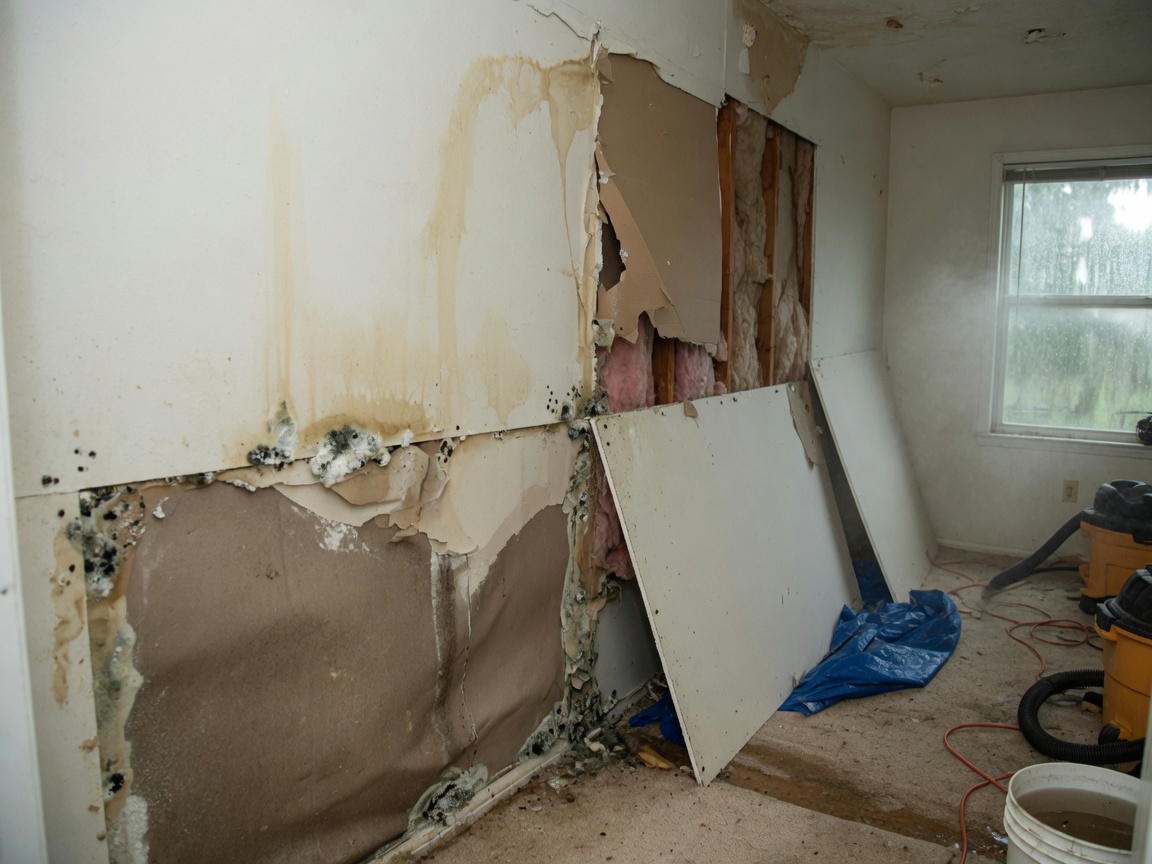
In Conroe's hot, humid climate, drywall that stays wet can begin growing mold in as little as 24 to 48 hours. In some conditions it can be sooner. The practical rule: get water out and start drying within the first day, and if drywall has been wet more than 48 to 72 hours, expect to remove and replace the wet sections instead of drying them in place. This guide gives the timeline, the warning signs and what to do at each stage.
The Mold Timeline for Wet Drywall
- 0 to 24 hours: Best window. Extraction plus fast drying can save most drywall, especially if the water was clean.
- 24 to 48 hours: Mold spores that are already in the air can begin to germinate on the paper facing of the drywall. Drying is still possible but needs professional equipment and monitoring.
- 48 to 72 hours: Visible growth becomes likely, and wet insulation or baseboard behind the wall raises the risk. Removal of affected sections is often the safest choice.
- After 72 hours: Expect mold in wall cavities. Remediation and replacement are usually needed.
These are general ranges. Warm temperatures, high humidity, poor airflow and contaminated water all shorten the timeline. Conroe summers hit all of these.
Why Drywall Is So Vulnerable
Drywall has a paper facing that mold uses as food. It wicks water upward from a wet floor, sometimes 12 to 24 inches above the visible line, and the gypsum core holds moisture. Behind the surface, insulation and framing stay wet long after the wall feels dry to the touch, and painted or vinyl-covered walls trap moisture inside.
Warning Signs Mold Has Started
- Musty odor, especially in closets or lower corners
- Discoloration, dark spots or fuzzy patches near baseboards
- Bubbling, peeling or soft paint
- Walls that feel cool, damp or swollen when pressed
- New allergy symptoms, cough or irritation in the home that fade when you leave
A moisture meter is the only reliable way to know. Surface dryness is not proof of a dry wall. We use moisture meters and thermal cameras to map the wet areas before we place equipment.
What to Do Right Now
- Stop the source and shut off the water if it is a plumbing leak. See what to do in the first 60 minutes after a pipe bursts.
- Extract standing water. Our emergency water extraction crews remove water from carpet, pads and subfloors first.
- Start structural drying. Commercial air movers and dehumidifiers pull moisture from walls and framing. See structural drying and dehumidification.
- Open the wall if needed. Removing the bottom 2 feet of drywall (a flood cut) and pulling wet insulation lets the cavity dry.
- Monitor with readings. Drying is done when moisture readings match unaffected materials, not when it feels dry.
When Drywall Must Come Out
Remove and replace drywall if it has been wet more than about 48 to 72 hours, if the water was contaminated (sewage or floodwater), if it is soft, crumbling or visibly moldy, or if the paper facing has bubbled or separated. Contaminated water is a different situation entirely. Read Category 1, 2 and 3 water damage explained.
When It Is Already Moldy
Small areas of surface mold smaller than about 10 square feet may be handled carefully by a homeowner, but anything larger, anything inside walls or HVAC, or anything caused by sewage or floodwater should be handled by a professional using containment and HEPA filtration. See mold remediation. After remediation, water damage repair replaces drywall, insulation and flooring.
Slab Homes and Hidden Moisture
Many Conroe homes are on slab foundations, where water can run under flooring and into the bottom of walls without obvious signs. See why damage under slab floors is harder to catch.
Costs and Insurance
Drying costs are far lower than remediation costs, which is the best argument for acting fast. See the Conroe water damage cost guide, and keep records for your insurance claim.
Wet Walls? Call Now
Call Conroe Restoration Group 24/7 at (936) 946-0393 for a free estimate. We serve Conroe, Magnolia, Spring, Tomball and the surrounding area. See our water damage restoration services or contact us.