
2026-07-10 · Tom Reynolds
Lake Conroe Flooding: Insurance Claim Mistakes Homeowners Near the Lake Keep Making
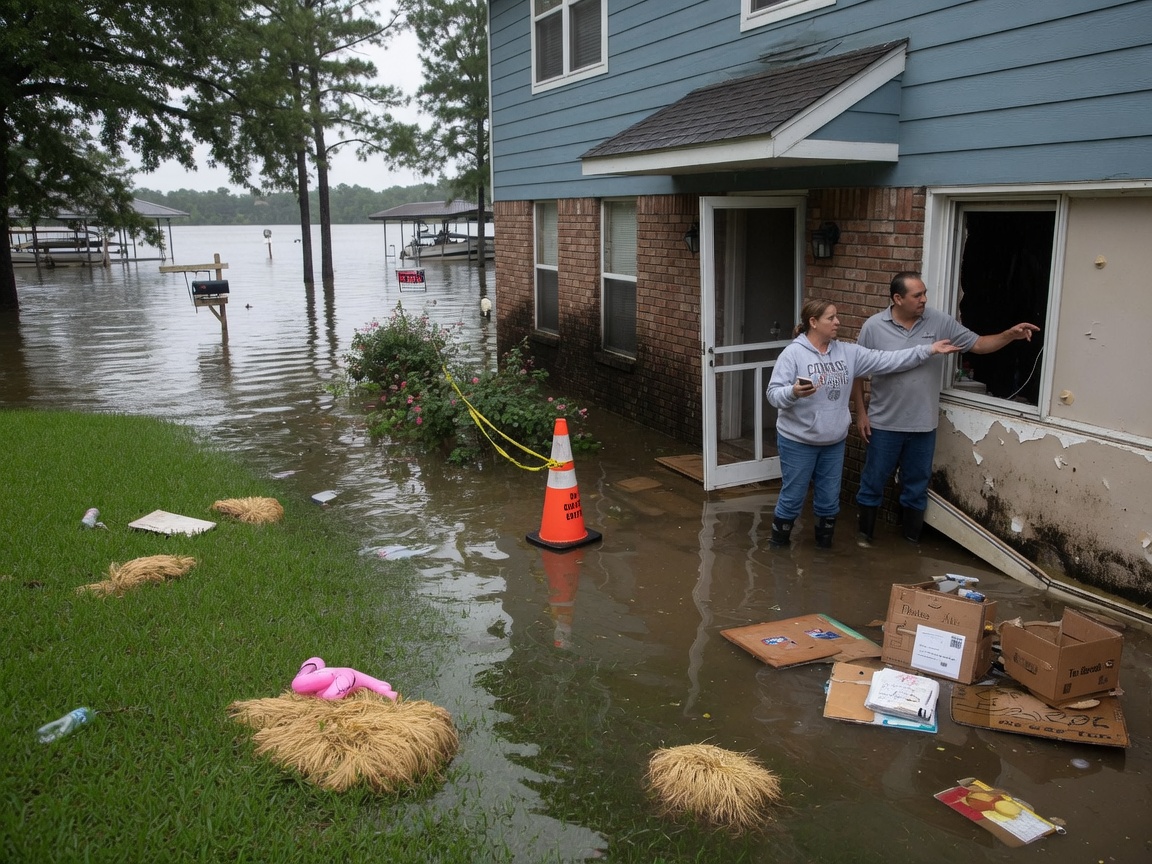
Homeowners near Lake Conroe often run into trouble with insurance not because the damage is unclear, but because of what happens in the first few days: unclear coverage, thin documentation, slow mitigation and hidden moisture nobody measured. This guide covers the mistakes we see most often with lake and storm flooding in Conroe and Montgomery County, and what to do instead. It is general information, not legal or insurance advice, so confirm details with your carrier and policy.
Mistake 1: Assuming Your Homeowner Policy Covers Flooding
Standard homeowner policies generally cover sudden and accidental water damage, like a burst pipe, but typically exclude flood damage from rising water, such as lake overflow, storm surge or surface runoff. Flood coverage normally requires a separate flood policy, either from the National Flood Insurance Program or a private insurer, and new policies often have a waiting period before they take effect. Check your declarations page before a storm, not after. If you are not sure what you have, call your agent today and ask specifically about flood.
Mistake 2: Not Documenting Hidden Moisture
Floodwater and lake water carry silt and soak into drywall, insulation, subfloors and slabs well beyond the visible water line. Photos of standing water alone make the loss look small. Ask your restoration company for moisture mapping with meters and thermal imaging, and for daily drying logs. Those records show the real extent and support the cost of equipment and drying time. See structural drying and dehumidification and why damage under slab floors is harder to catch.
Mistake 3: Waiting Too Long to Start Mitigation
Policies expect you to take reasonable steps to prevent further damage. Waiting days to extract water and dry the home can lead to denial of the added mold or rot, and in Conroe's humidity mold can start in 24 to 48 hours. Start professional flood damage cleanup and emergency water extraction right away, and keep every receipt. Our guide on how long drywall can sit wet before mold starts explains why speed matters.
Mistake 4: Treating Floodwater Like Clean Water
Lake and storm floodwater is considered Category 3 (black water), which carries bacteria and contaminants. Porous materials that touched it, like carpet, padding and drywall, usually must be removed, not dried and saved. Handling it yourself without protection is a health risk, and cutting corners can lead to disputes about what was done. Read Category 1, 2 and 3 water damage explained and call a professional.
Mistake 5: Throwing Things Away Before the Adjuster Sees Them
Photograph and list damaged belongings and building materials before discarding them. Keep samples or key items if the adjuster asks to inspect them. A written inventory with approximate ages and values speeds up a claim.
Mistake 6: Accepting the First Scope Without Question
The first adjuster scope can leave out hidden moisture, drying days or contaminated materials. You have the right to ask for the reasoning in writing and to submit your restoration company's documented scope. Compare them line by line, and bring moisture logs, photos and equipment records.
Mistake 7: Mixing Up Separate Causes
Sometimes a storm causes a roof leak, a plumbing line fails after the flood, or both happen together. Each cause may be covered differently. Keep dated photos and records for each event, and tell your carrier everything, because separate causes can mean separate coverage and deductibles. For a pipe-related loss see what to do in the first 60 minutes after a pipe bursts.
A Simple Order of Operations
- Get safe and stop the source if there is one.
- Photograph and video everything.
- Call your insurance company and note the claim number.
- Call a 24/7 restoration crew to extract water and document moisture.
- Get a written scope and compare it with the adjuster's scope.
- Keep every receipt and message.
- Only rebuild after drying is verified.
The full checklist is in our water damage insurance claim guide.
What Does Cleanup Cost?
Flood jobs sit at the high end, often about $1,500 to $6,500 depending on water volume, area and contamination. See the Conroe water damage cost guide.
Flooded Near the Lake? Call Now
Call Conroe Restoration Group 24/7 at (936) 946-0393 for a free estimate. We document every step with photos and moisture logs for your adjuster, and serve homes in Conroe, Montgomery, Panorama Village, Willis and The Woodlands. See all water damage restoration services or contact us.